PPC LAUNCH

New PPC Google Ads Program Drives Immediate Results

Canyon Explorations has been running human-powered rafting trips through Grand Canyon since 1986, but their website wasn’t turning decades of expertise into bookings. Liquid Spark rebuilt the site around how today’s travelers actually research and decide, guiding visitors from curiosity to a real conversation with the team, without losing the artisan, river-worn character that makes Canyon Explorations who they are.

CLIENT CHALLENGE

Industry-Wide Market Changes Required Fast, High ROI Marketing to Generate Missing Bookings

Canyon Explorations, a small family owned and operated adventure outfitter, relied on strong word of mouth referrals and return customers to fill its trips every year, and usually two years in advance. Since 2024, the Grand Canyon rafting industry was experiencing significant market changes in customer behavior, due to stiff competition for travelers’ interests, attention, and vacation budgets coming from a burgeoning variety of other travel and entertainment options.

Since Canyon Exploration’s founding in 1986, they never had to advertise to market their trips. Wow, right?! They turned to Liquid Spark for help in quickly identifying a strong ROI marketing strategy to generate high quality leads that would convert into bookings.

We had never run a single ad before working with Liquid Spark, and honestly weren’t sure we needed to — Grand Canyon trips used to sell themselves. But the market’s changed, and we needed to compete. Liquid Spark built a tightly targeted ad campaign that started working almost immediately. We sold out our 2026 season by mid-summer and 2027 sales are trending even better. It’s hard to overstate how helpful it is as a small outfitter to have Liquid Spark’s expertise working to support our company.
Justin Salamon – Operations Manager
Canyon Explorations / Expeditions

THE SOLUTIONS

What We Did

Connecting Marketing Measurement Systems

Because they had never had to market before, CanX didn’t have systems in place to track digital channels. We needed data collection to start immediately, so we set up their Google Analytics 4, Google Tag Manager, and Google Search Console properties.

Keyword Analysis

We used our decades of rafting industry expertise to develop a strong set of keywords and key themes around search intent to guide our first campaigns that couldn’t benefit from actual digital channel data yet.

Quickly Launched Test Campaigns

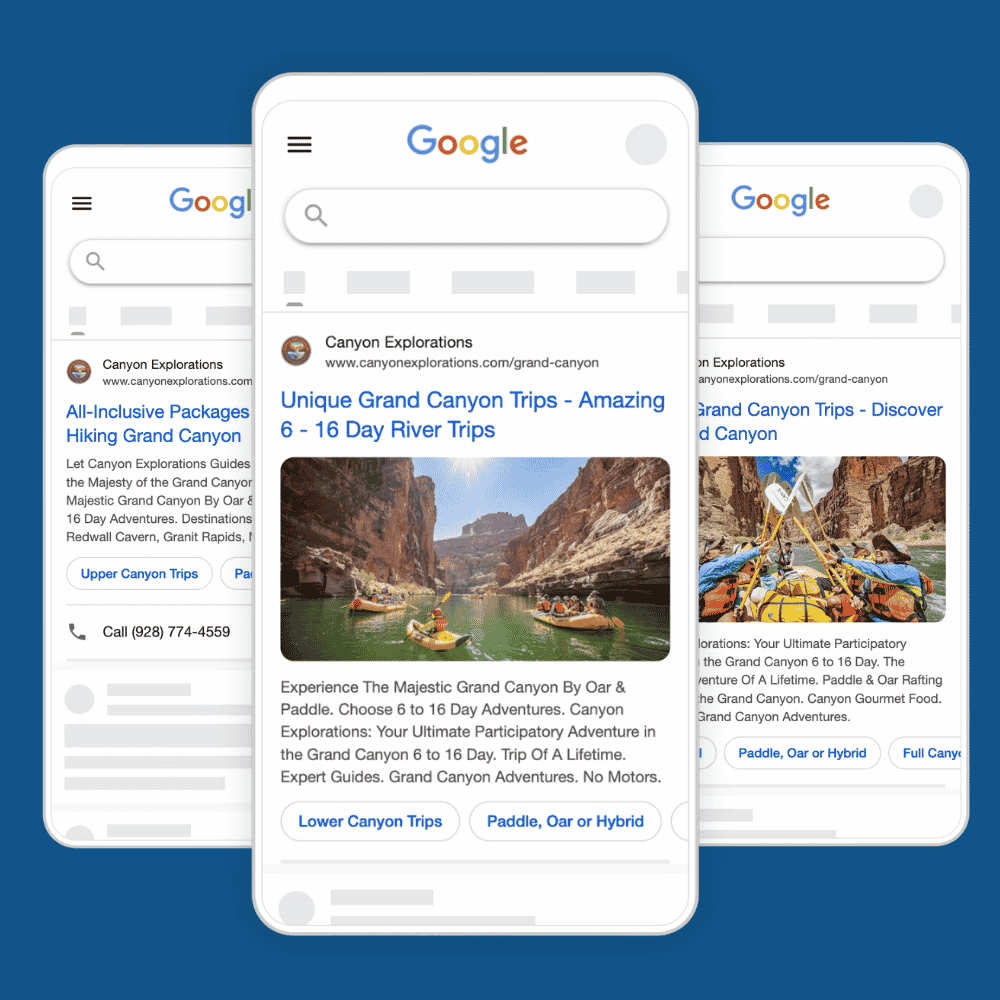
We quickly developed and launched a test campaign to gauge keyword volumes, competitive intelligence, and various copy/media versions. Determining the winners, we then expanded the campaign. The 2025 mid-summer campaign launch targeted 2026 advanced bookings, which ended up well ahead of the prior year.

Careful AI Bidding Implementation

We implemented AI-driven bidding strategies within Google Ads, supported by clean proxy conversion data. Because this client does not have a fully online booking system, defining the right proxy conversion actions was critical. Those actions enable the platform to optimize bids more effectively and scale results, even without closed-loop ecommerce reporting.

Ongoing Performance Optimization

While some agencies take a “set it and forget it” approach, we continuously refine campaigns to maximize results. We continuously analyze PPC and organic data to refine our campaigns to expand reach to high intent visitors. PPC now delivers 34% of new users and 30% of proxy conversions, all from zero with no prior ad marketing in place.

Content & Conversion Optimization Drives Website Redesign

It’s not just about the ads! We always optimize landing pages to match ad messaging and keyword intent, improving clarity, strengthening CTAs, and reducing friction in the booking process. The existing CanX website had too many content and conversion gaps, plus an old backend architecture system. We knew a smart redesign was the next strong ROI answer for this client.

THE RESULTS

A New Look & Feel

Traffic and Engagement Take Off

PPC now delivers 34% of new users and 30% of proxy conversions, all from zero with no prior ad marketing in place.

Dual-Device Optimization

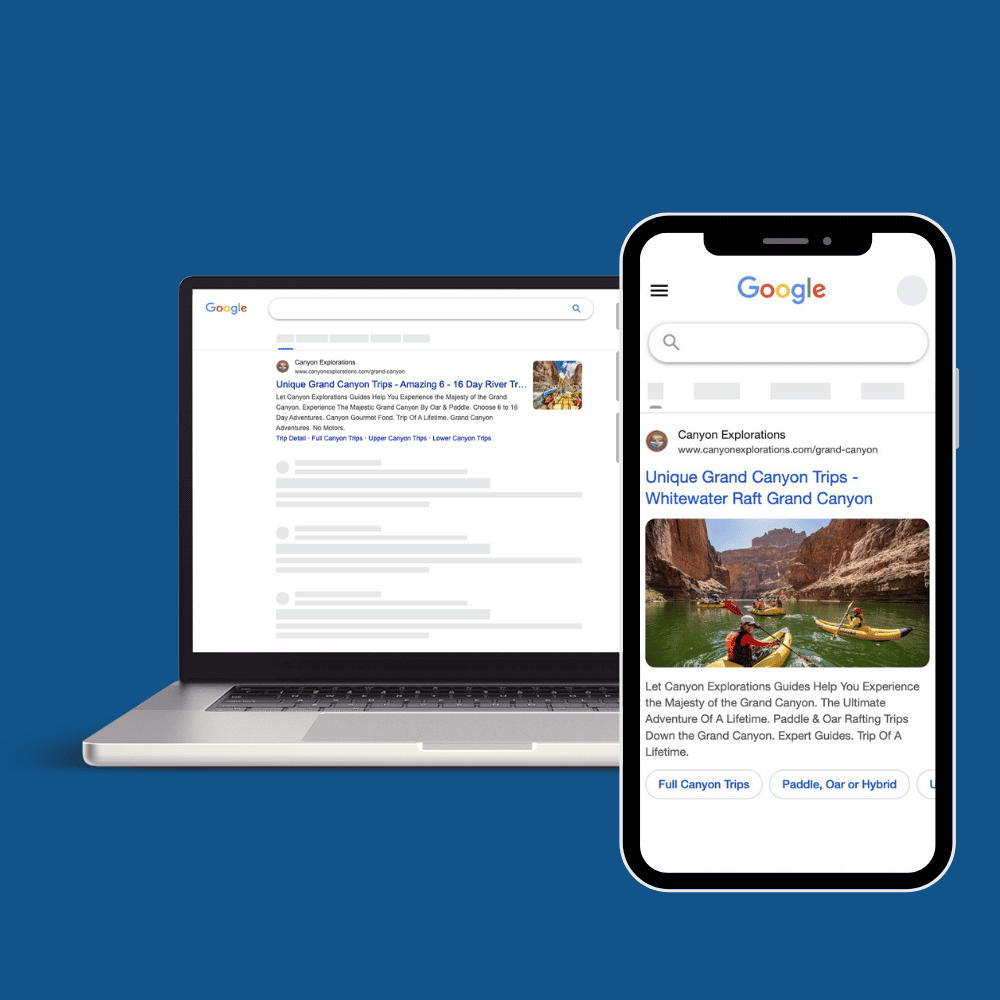
Rather than optimizing toward a single device type, campaigns were structured to serve both audiences on their own terms: mobile ads and landing pages built for fast, low-friction browsing to capture early-stage research traffic, and desktop targeting tuned to reach travelers closer to a booking decision. This dual-device approach let the campaign capture volume where it lived (mobile) without sacrificing the higher-intent conversions happening on desktop.

HELPFUL RESOURCES

See How Adventure Tourism Benefits From Web & Development Design Done Right